
Was ist Viskose? Warum sie perfekt für den Frühling ist – und nicht nur für den Sommer
Viskose wird oft als „Sommerstoff“ bezeichnet. Leicht, atmungsaktiv, weich – das klingt saisonal. Doch diese Annahme greift zu kurz.
Tatsächlich gehört Viskose zu den vielseitigsten Fasern in modernen Textilien. Je nach Gewicht, Webart und Materialmischung kann sie hervorragend im Frühling, in Übergangszeiten und sogar in herbstlichen Layering-Looks funktionieren.
Schauen wir genauer darauf, was Viskose eigentlich ist – und warum Baumwoll-Viskose-Mischungen besonders wertvoll für Frühlingsgarderoben sind.
Was ist Viskose?
Viskose (international auch als Rayon bekannt) ist eine regenerierte Zellulosefaser aus natürlichem Pflanzenmaterial, meist Holz-Zellstoff. Die Zellulose wird zu einer glatten, weichen Faser verarbeitet, die einige Eigenschaften natürlicher Stoffe wie Seide und Baumwolle nachahmt.
Wichtige Eigenschaften von Viskose:
pflanzlicher Ursprung
glatte Oberfläche
sehr guter Fall
atmungsaktive Struktur
gute Feuchtigkeitsaufnahme
Obwohl Viskose industriell verarbeitet wird, basiert ihr Ausgangsmaterial auf natürlicher Zellulose, was zu ihrem Komfort und ihrer Weichheit beiträgt.
Der größte Irrtum: „Viskose ist nur für den Sommer“
Viele Menschen verbinden Viskose ausschließlich mit leichten Sommerkleidern und Blusen. Obwohl sie bei warmem Wetter hervorragend funktioniert, ist die Faser selbst nicht auf eine Jahreszeit begrenzt.
Entscheidend ist: Wie sich Viskose verhält, hängt von Gewicht und Webart ab.
Das Stoffgewicht ist wichtig
Leichte, locker gewebte Viskose fühlt sich luftig und kühl an – ideal für heiße Klimazonen.
Mittelschwere oder dichter konstruierte Viskosestoffe wirken substanzieller und können in mehreren Lagen sanfte Wärme bieten.
Dadurch kann Viskose eingesetzt werden als:
atmungsaktiver Sommerstoff
weicher Strick für den Übergang im Frühling
angenehme Basisschicht in kühleren Monaten
Die Saisonalität von Viskose wird stärker durch ihre Konstruktion als durch den Fasertyp bestimmt.
Warum Viskose besonders gut für den Frühling geeignet ist
Frühlingswetter ist unberechenbar. Kühle Morgen, warme Nachmittage und wechselnde Luftfeuchtigkeit – Stoffe müssen sich anpassen können.
1. Atmungsaktivität bei Temperaturschwankungen
Viskose lässt Luft zirkulieren und nimmt Feuchtigkeit effektiv auf. Das kann den Tragekomfort beim Wechsel zwischen Innen- und Außenbereichen unterstützen.
2. Anpassung an Temperaturwechsel
Da Viskose Feuchtigkeit gut aufnimmt, kann sie bei Wärme zu einem kühleren Tragegefühl beitragen und funktioniert zugleich gut unter zusätzlichen Lagen, wenn die Temperatur sinkt.
3. Ideal für Layering
Ein Viskose-Top funktioniert gut unter:

leichten Jacken
strukturierten Blazern
Strickwaren
Sie bildet eine glatte Basisschicht ohne unnötiges Volumen.
Warum Baumwolle + Viskose eine clevere Kombination für den Frühling ist
Die Mischung von Viskose mit Baumwolle kann die Vorteile beider Fasern ergänzen.
Baumwolle bietet:
strukturelle Stabilität
Haltbarkeit
Formbeständigkeit
Alltagstauglichkeit
Viskose bringt:
Weichheit
fließenden Fall
glatte Textur
verbesserte Flexibilität
Zusammen entsteht ein Stoff, der:
sich weicher als reine Baumwolle anfühlen kann
seine Form besser halten kann als reine Viskose
gut zu Übergangswetter passt
ein gepflegtes Erscheinungsbild ohne Schwere bewahrt

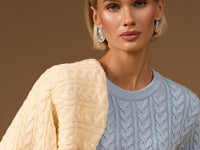
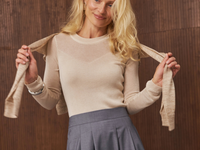
Deshalb eignen sich Pullover, Langarmtops, Cardigans und weiche Kleider aus Baumwoll-Viskose-Mischungen besonders gut für Frühlingsgarderoben.
Wie sich Viskose in Kleidungsstücken verhält
Wer versteht, wie sich Viskose verhält, versteht auch ihre Vielseitigkeit besser.
Fall und Bewegung
Viskose fällt von Natur aus fließend. Sie erzeugt klare vertikale Linien und weiche Silhouetten und eignet sich daher gut für entspannte, moderne Formen.
Glatte Oberfläche
Die Faser hat einen seidigen Griff ohne starken Glanz, wodurch Kleidungsstücke gepflegt und zugleich zurückhaltend wirken.
Feuchtigkeitsaufnahme
Viskose nimmt Feuchtigkeit effektiver auf als viele synthetische Fasern und kann dadurch den Komfort bei hoher Luftfeuchtigkeit verbessern.
Die Stoffkonstruktion beeinflusst die Eigenschaften
Ein dicht gestrickter oder gewebter Viskosestoff fühlt sich anders an als eine lockere, luftige Variante. Deshalb können Viskosepullover strukturierter wirken, während Viskoseblusen fließender fallen.
Ist Viskose für empfindliche Haut geeignet?
Durch ihre glatte Faseroberfläche verursacht Viskose typischerweise weniger Reibung auf der Haut als gröbere Materialien. In Kombination mit Baumwolle fühlt sie sich häufig sanft und weich an – ein Vorteil besonders in Übergangszeiten, wenn die Haut nach dem Winter empfindlicher reagieren kann.
Nachhaltigkeitsperspektive
Viskose wird aus erneuerbarer pflanzlicher Zellulose hergestellt. Ihre Umweltwirkung hängt jedoch stark von verantwortungsvoller Rohstoffbeschaffung und den eingesetzten Herstellungsverfahren ab.
Wenn sie unter kontrollierten Standards und mit modernen Filtersystemen produziert wird, kann Viskose eine Alternative zu vollständig synthetischen Fasern darstellen.
Abschließende Gedanken
Viskose ist nicht nur ein Sommerstoff.
Ihre Eigenschaften hängen ab von:
Stoffgewicht
Web- oder Strickdichte
Fasermischung
Stylingansatz
Gerade für den Frühling bieten Baumwoll-Viskose-Stoffe eine ausgewogene Lösung:
atmungsaktiv
weich
strukturiert und zugleich fließend
gut für Layering geeignet
angenehm bei schwankenden Temperaturen
Bei der Auswahl von Frühlingskleidung ist die Materialzusammensetzung genauso wichtig wie die Silhouette. Wer versteht, wie sich Viskose verhält, kann eine Garderobe aufbauen, die den Übergang zwischen den Jahreszeiten leichter mitmacht.