
Wie Frauen sich 2026 kleiden werden: Komfort an erster Stelle, smarte Lagenlooks und bewusste Entscheidungen
Einführung: Ein neuer Kleider-Rhythmus
Im Jahr 2026 kleiden sich Frauen nicht mehr nach Trends oder starren Jahreszeiten. Kleidung ist ruhiger, bewusster und tief mit dem Alltag verbunden geworden.
Moderne Kleiderschränke sind darauf ausgelegt, reale Routinen zu unterstützen – den Übergang zwischen Zuhause, Stadtstraßen, Arbeit und Freizeit. Was jetzt zählt, ist nicht das visuelle Statement, sondern wie sich Kleidung anfühlt, anpasst und hält.
Diese Verschiebung definiert eine neue Art des Anziehens: Komfort-orientiert, vielschichtig und bewusst komponiert.
Komfort-orientierte Mode als Alltagsstandard
Komfort ist im Jahr 2026 keine Kategorie – es ist eine Anforderung. Frauen erwarten, dass Kleidung den ganzen Tag über stabil, weich und natürlich ist, ohne ständiges Anpassen zu benötigen.
Komfort-orientiertes Design zeichnet sich heute aus durch:
-
Materialien, die sich gleichmäßig auf der Haut anfühlen
-
Silhouetten, die Bewegungsfreiheit ohne übermäßiges Volumen ermöglichen
-
Durchdachte Konstruktion, die die Form über die Zeit beibehält
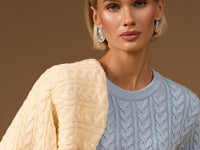
Diese Eigenschaften sind besonders wichtig bei Strickwaren, die oft den Kern einer modernen Garderobe bilden. Stücke wie Alltagspullover und -strickjacken werden nicht für einen einzigen Look, sondern für wiederholtes Tragen in verschiedenen Umgebungen ausgewählt.
Komfort ist nicht länger sichtbar oder betont – er ist einfach eingebaut.
Intelligenter Lagenlook für das moderne Stadtleben
Das Stadtleben folgt selten einer saisonalen Logik. Innenheizung, Wind im Freien, Pendeln und wechselnde Zeitpläne erfordern Kleidung, die sich leicht anpassen lässt.
Im Jahr 2026 setzen Frauen auf Schichtsysteme statt auf Einzelstücke. Ein funktionaler Lagenlook umfasst typischerweise:
-
Eine atmungsaktive Basisschicht direkt auf der Haut
-
Eine Strick- oder Mittelschicht, die Wärme und Struktur hinzufügt
-
Eine Außen- oder Accessoireschicht, die exponierte Bereiche schützt
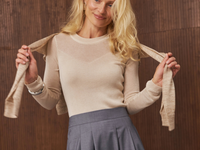
Accessoires sind in diesem System besonders wichtig geworden. Statt schwerer Oberbekleidung verwenden Frauen zunehmend anpassungsfähige Stücke, die bei Bedarf hinzugefügt oder entfernt werden können.
→ Kapuzenschals und mehrlagige Strickaccessoires spielen eine Schlüsselrolle in flexiblen urbanen Outfits.
Der Lagenlook dreht sich nicht mehr um Styling – er geht darum, den Komfort den ganzen Tag über zu managen.
Bewusste Entscheidungen: Weniger Stücke, besserer Zweck
Bis 2026 reduzieren viele Frauen bewusst die Anzahl ihrer Besitztümer. Dies ist kein Minimalismus als Trend, sondern eine praktische Antwort auf überfüllte Kleiderschränke.
Kaufentscheidungen werden nun von Fragen geleitet wie:
-
Wie oft werde ich das realistisch tragen?
-
Passt es zu dem, was ich bereits besitze?
-
Wird es nächstes Jahr noch relevant sein?
Daher werden Kleidungsstücke priorisiert, die Vielseitigkeit und Langlebigkeit kombinieren. Neutrale Töne, zeitlose Schnitte und anpassungsfähige Strickwaren lassen sich leicht in bestehende Garderoben integrieren und unterstützen den langfristigen Gebrauch.
→ Entdecken Sie vielseitige Garderoben-Basics, die für alle Jahreszeiten geeignet sind.
Dieser Ansatz reduziert die Notwendigkeit ständiger Erneuerung und fördert eine ruhigere Beziehung zur Kleidung.
Funktionales Design ohne optisches Rauschen
Städtische Umgebungen stellen spezifische Anforderungen an Kleidung:
-
Temperaturwechsel zwischen drinnen und draußen
-
Windexposition während der täglichen Bewegung
-
Die Notwendigkeit, über längere Zeiträume bequem zu bleiben
Als Reaktion darauf ist funktionales Design subtiler statt technisch geworden. Frauen bevorzugen Stücke, die Probleme stillschweigend lösen, ohne die Funktionalität selbst hervorzuheben.
Im Jahr 2026 sind gut designte Kleidungsstücke:
-
Bieten Schutz ohne Schwere
-
Gehen visuell nahtlos von lässigen zu eleganten Umgebungen über
-
Unterstützen langes Tragen ohne Unbehagen
Dieses Gleichgewicht zeigt sich besonders in modernen Strickaccessoires und Außenschichten, die Schlüsselbereiche wie Hals und Schultern schützen.
→ Sehen Sie sich Accessoires an, die für die tägliche urbane Bewegung entwickelt wurden.
Eine zeitlose visuelle Sprache
Statt saisonaler Trends tendieren Frauen zu einer zurückhaltenden, dauerhaften Ästhetik:
-
Ausgewogene, natürliche Farbpaletten
-
Klare Linien und minimale Details
-
Stücke, die sich leicht übereinander tragen lassen, ohne visuell zu konkurrieren
Diese visuelle Einfachheit ermöglicht es Kleidungsstücken, über Jahre statt nur über Monate relevant zu bleiben. Kleidung wird zu einem Hintergrund des Lebens, nicht zu einer Ablenkung davon.
Stil im Jahr 2026 ist weniger durch Neuheit als durch Konsistenz und Leichtigkeit definiert.
Die modulare Garderobe von 2026
Die moderne Garderobe funktioniert jetzt als System statt als Sammlung. Stücke werden so ausgewählt, dass sie zusammenpassen, sich natürlich übereinanderlegen und sich an verschiedene Momente des Tages anpassen.
Eine Garderobe von 2026 ist:
-
Modular und austauschbar
-
Um Komfort und Bewegung herum aufgebaut
-
Entwickelt für wiederholten, langfristigen Gebrauch
Diese Struktur unterstützt bewusste Käufe und reduziert die Abhängigkeit von Trends, während sie gleichzeitig persönlichen Ausdruck durch Textur, Proportion und Lagenlook ermöglicht.
Fazit: Sich bewusst kleiden
Mode im Jahr 2026 spiegelt ein breiteres Verlangen nach Balance wider. Frauen wählen Kleidung, die ihr Leben still und zuverlässig unterstützt.
Komfortorientiertes Design, intelligentes Schichten und bewusste Auswahl sind keine Alternativen mehr – sie sind die neue Grundlage des Alltagsstils.
Dieser Wandel markiert einen ruhigeren, durchdachteren Ansatz beim Kleiden – einen, der Bestand hat.